
Attic Renovations: Adding Space Without Adding a New Foundation
How to evaluate whether your attic can become the extra room you have been pretending it could be.

Attic conversions are appealing because they use existing structure. No foundation needed. No adding to the building footprint. Just making the forgotten space above your ceiling into something useful.
The critical questions: ceiling height, floor structure, and access. Building codes usually require at least half the floor area to have ceiling heights of at least 7 feet. If your attic was designed as storage, the floor structure may not support living loads. And stairs are not optional if you expect regular use.
Headroom is usually the limiting factor. What looks like plenty of space when you are standing at the peak becomes less space as you move toward the exterior walls. Measure carefully. The room you imagined is not always the room you can actually build.
Insulation and ventilation need attention in attics. insulation goes on the floor. Ventilation goes in the rafters. These are different jobs and confusing them creates problems that involve mold and structural damage.
Access stairs take up floor space and ceiling space. A proper staircase requires headroom at the bottom. This is a surprisingly large commitment in a home where space is already at a premium.
Related Articles
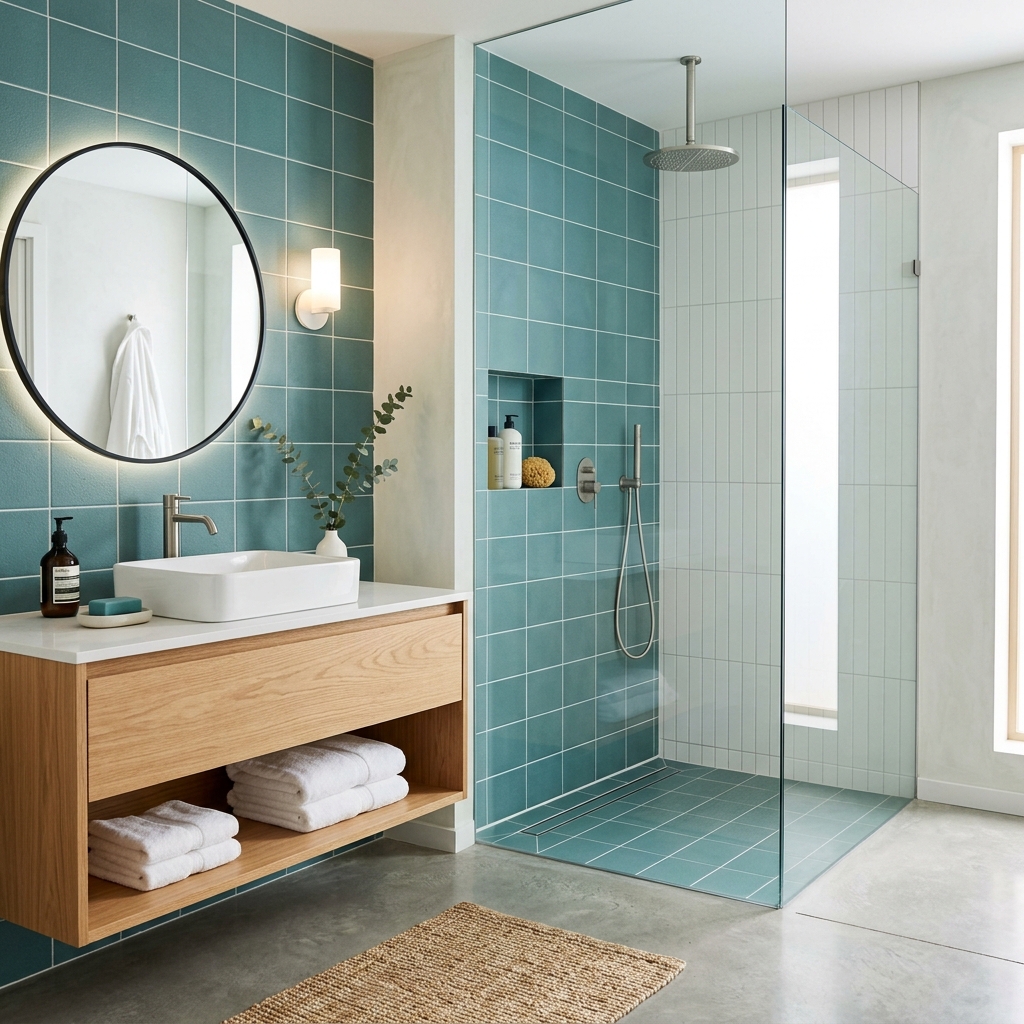
A guided tour of the invoice, from the trades who earn it to the tiles that quietly negotiate with your budget.
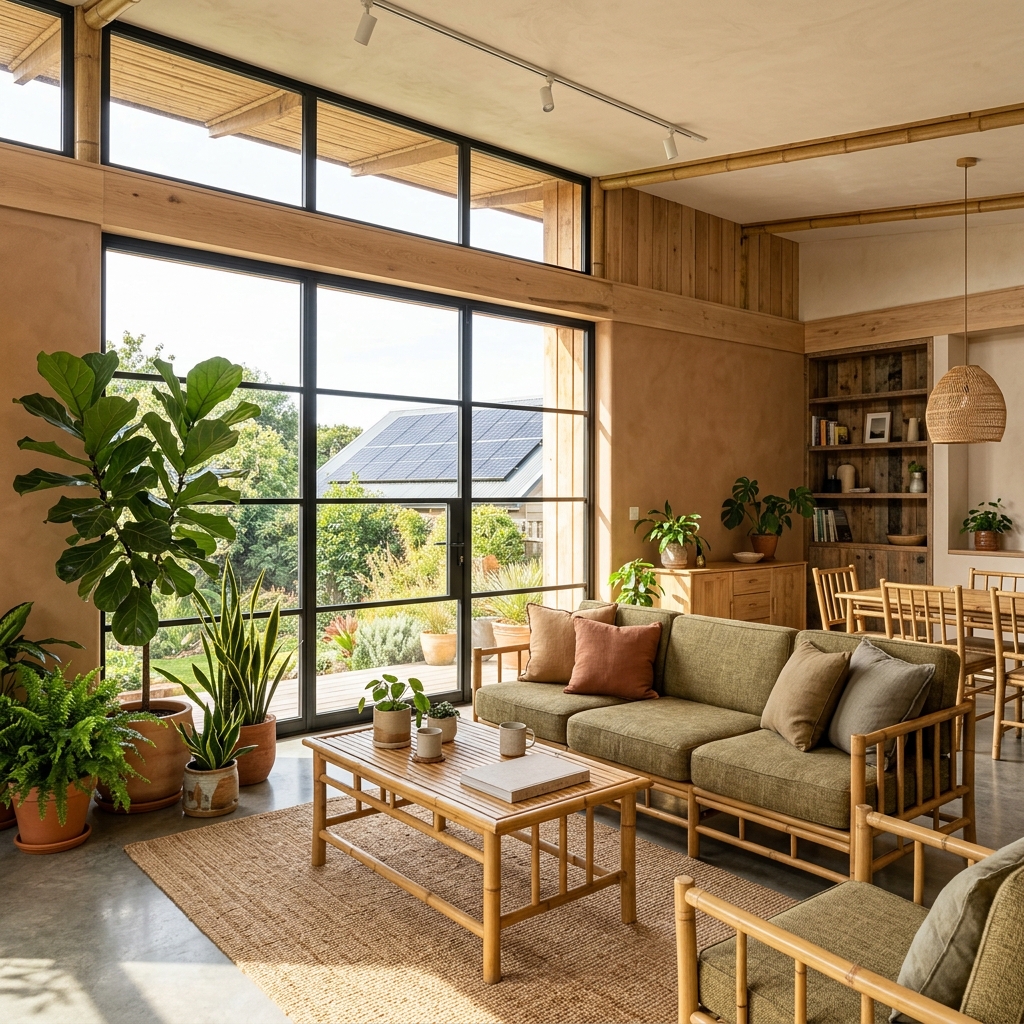
Sustainable upgrades that pay you back on the bills instead of asking you to feel good about spending more.
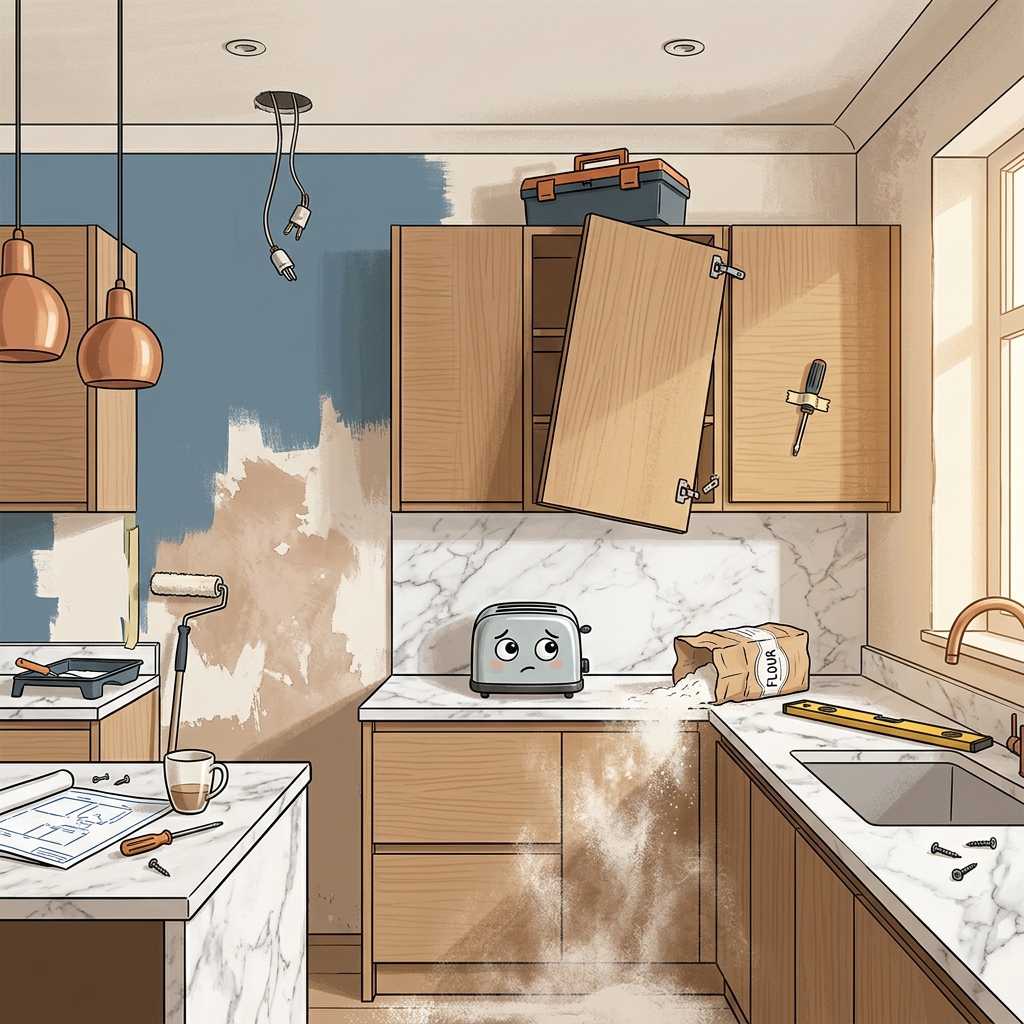
How to tell whether your kitchen wants an island or just thinks it does, before you commit to the granite.