
Electrical Safety: When to Call an Electrician and When to Feel Proud of Yourself
A guide to knowing the difference between a safe DIY electrical job and a future story about how the house almost burned down.

Electrical work has one rule: when in doubt, stop. Electricity is not the place for confident guesses. The consequences of being wrong are not repair costs. They are structural damage and insurance claims that get denied.
Changing outlets and switches is generally within DIY reach if you turn off the breaker, test with a voltage tester, and follow basic safety practices. Replacing a light fixture is usually fine. Running new circuits is not.
Warning signs that indicate electrical problems: flickering lights, warm outlets, burning smells from outlets, circuit breakers that trip repeatedly. These are not quirks. They are requests for professional attention.
Tamper-resistant outlets are now code in most jurisdictions for new construction. If your home has old outlets without the little plastic barriers, consider upgrading. Especially if you have children or plan to have children visit.
Outdoor electrical is different. Outlets, lighting, and equipment designed for outdoor use have weather resistance ratings that indoor equipment does not. Using indoor equipment outdoors is how electrical problems become outdoor electrical problems.
Related Articles

A guided tour of the invoice, from the trades who earn it to the tiles that quietly negotiate with your budget.

Sustainable upgrades that pay you back on the bills instead of asking you to feel good about spending more.
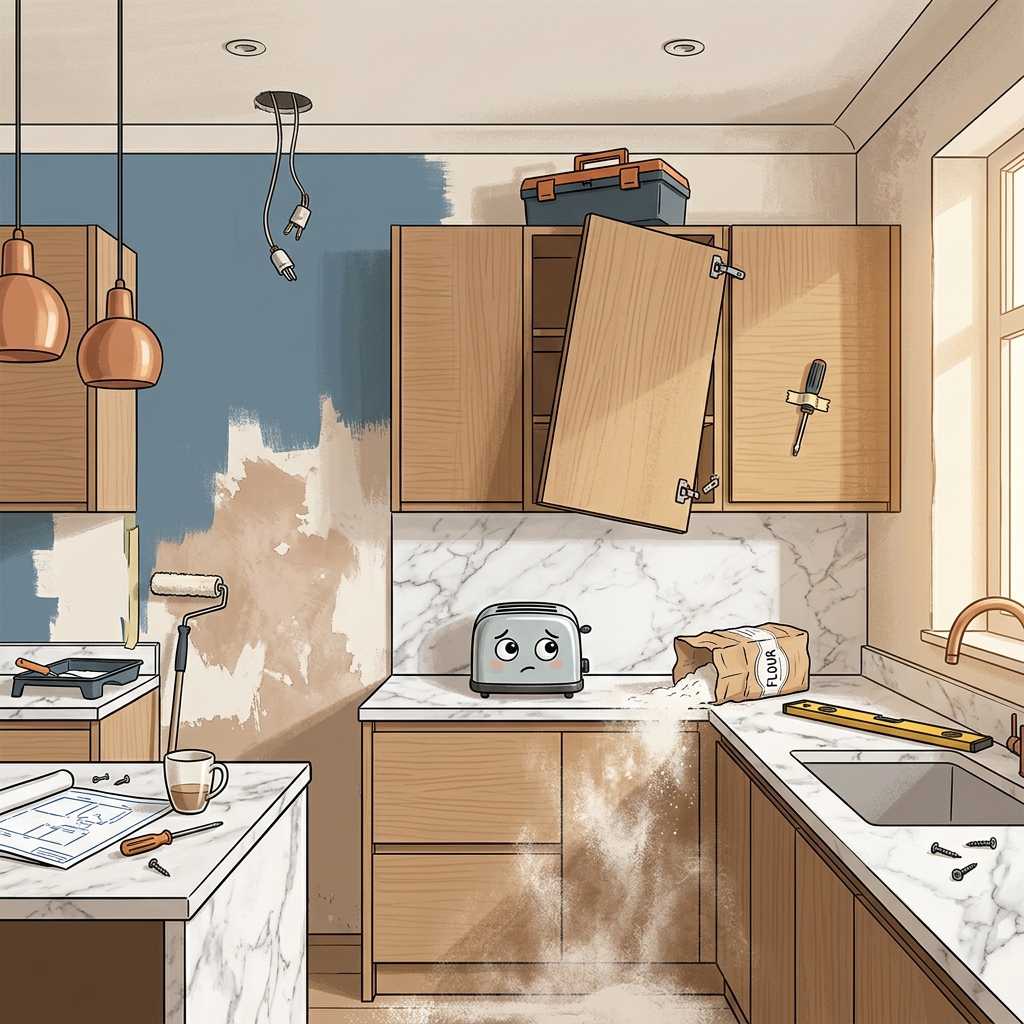
How to tell whether your kitchen wants an island or just thinks it does, before you commit to the granite.