
Plumbing Basics: What Every Homeowner Should Know Before Calling a Plumber
Save money and embarrassment by knowing the difference between a pipe and a problem.

Every homeowner should know where their main water shutoff is. This knowledge becomes important during bursts, emergencies, and when you want to avoid a small leak becoming a large bill. Write the location on a sticky note. Put it somewhere visible. Test that it actually shuts off because some valves have opinions about being exercised.
The difference between a plumbing emergency and a plumbing inconvenience is often time. A running toilet is inconvenient. A burst pipe is an emergency. Both get worse if ignored. The toilet will increase your water bill. The burst pipe will increase your insurance claim.
Drain cleaners are not your friend. They work sometimes and destroy pipes the other times. The better approach: a plunger, then a snake, then acceptance that you need to call someone with proper tools.
Know what you can flush. The rule is simple: human waste and toilet paper only. Everything else eventually becomes a problem that requires a plumber and a的心情 that requires a vacation.
Slow drains are usually hair and soap buildup. Remove the drain cover, clean it, use a snake if needed. If multiple drains are slow, the problem is deeper in the system and likely requires professional attention.
Related Articles

A guided tour of the invoice, from the trades who earn it to the tiles that quietly negotiate with your budget.

Sustainable upgrades that pay you back on the bills instead of asking you to feel good about spending more.
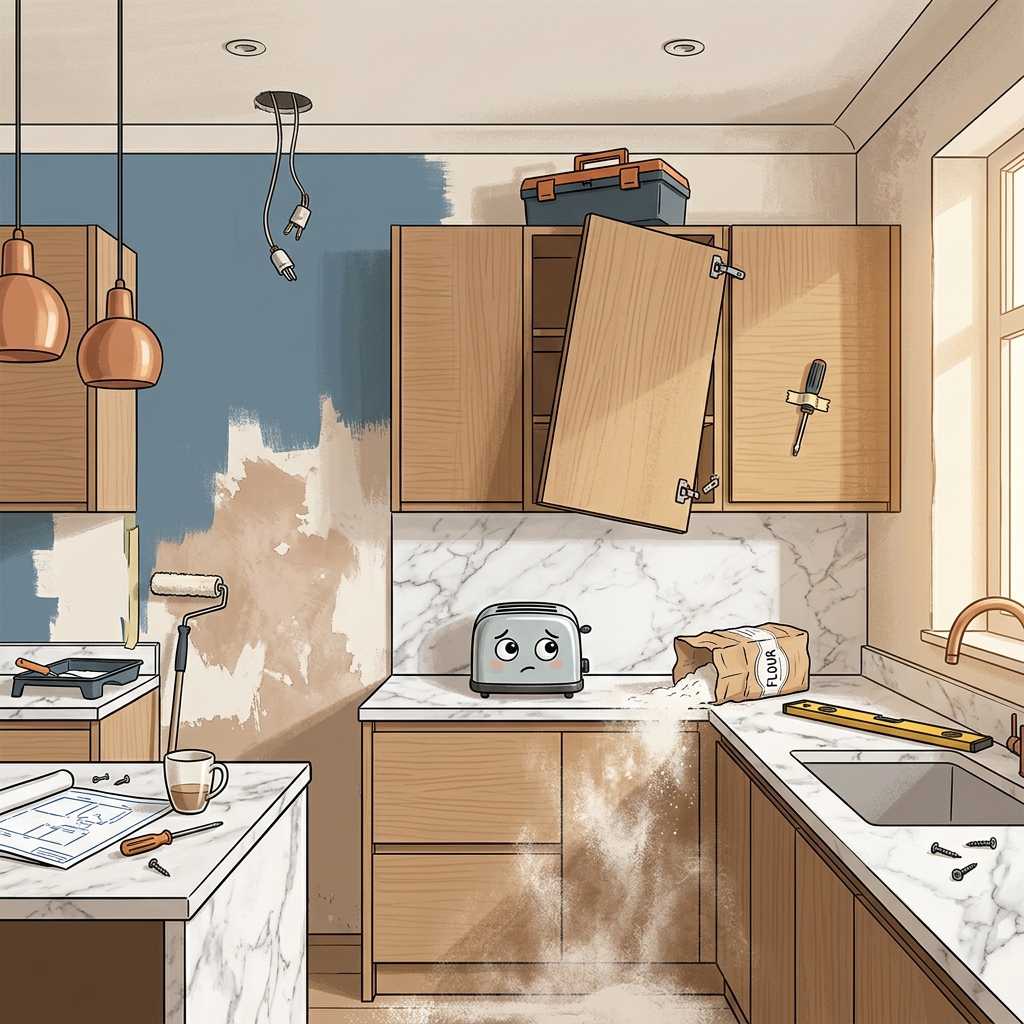
How to tell whether your kitchen wants an island or just thinks it does, before you commit to the granite.